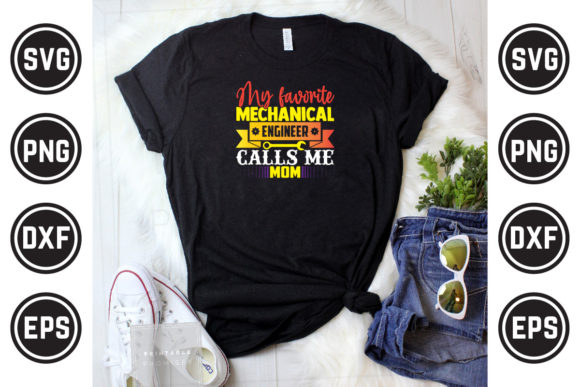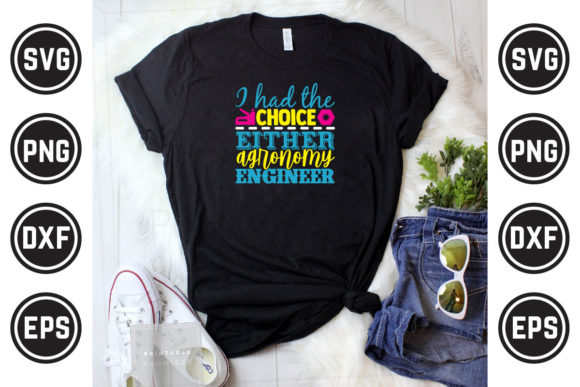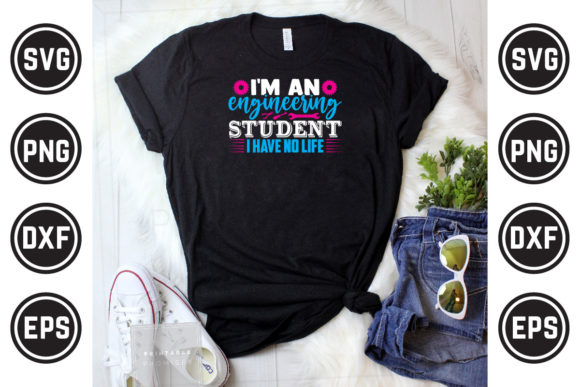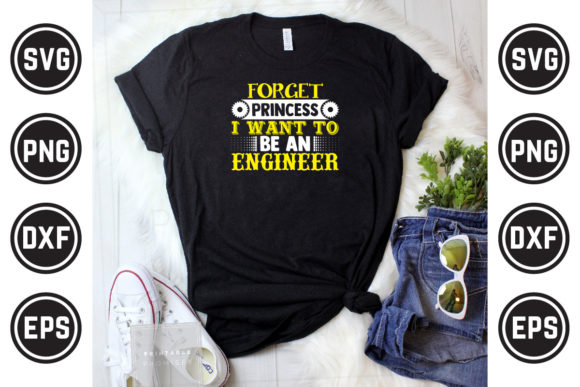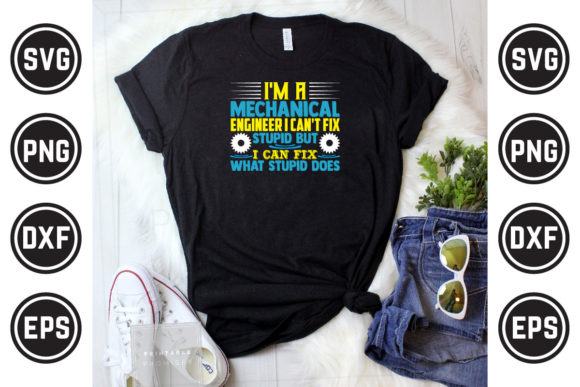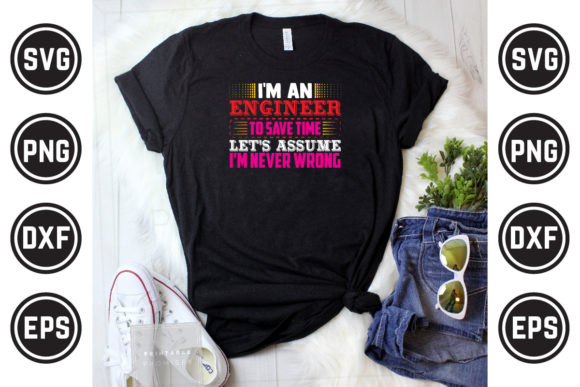
Engineer SVG T Shirt Design 18
A Designer’s First Look: Clean, Confident, and Built for Real Stitching
When I opened Engineer Svg T Shirt Design 18 in my vector editor, what stood out wasn’t just the technical polish—it was the quiet confidence of its execution. This isn’t a cluttered novelty graphic or an over-rendered illustration trying too hard. It’s balanced, purposefully scaled, and clearly designed with embroidery in mind—not just screen display. As someone who’s stitched hundreds of custom orders—from baby onesies to boutique aprons—I immediately pictured it on a midweight cotton tote bag for a local engineering firm’s team event. The clean lines, moderate detail level, and strong central motif translate well to stitch without demanding excessive density or micro-hooping.
Where It Shines: Real Projects, Real Fabric Surfaces
I tested Engineer Svg T Shirt Design 18 across several common small-business applications—and it held up consistently. On a relaxed-fit crewneck sweatshirt? Excellent clarity at 3.5" wide: the letterforms stayed legible, the icon elements retained shape, and the overall composition read cleanly from three feet away. On a linen-cotton tea towel? It stitched with crisp satin-stitch borders and even fill areas—no thread nesting or puckering when paired with medium-weight cutaway stabilizer. For baby embroidery on a soft interlock onesie, I resized it down to 2.25" and found the core elements still resolved cleanly; no tiny details vanished or bled together. As a patch design for iron-on backing, its vector scalability meant sharp edges after heat pressing and consistent stitch definition across multiple units.
This is a Print Templates-grade Graphics file that behaves like a seasoned embroidery designer built it—not just an illustrator exporting vectors. Its 300 DPI resolution ensures sharpness in printable mockups for Etsy listings or client previews, while the 100% vector foundation gives real flexibility: swapping thread colors before stitching, adjusting proportions for curved cap fronts, or expanding the layout for a full-back sweatshirt placement—all without pixelation or distortion.
Where to Pause—and Why
That said, Engineer Svg T Shirt Design 18 isn’t magic. It performs best when matched thoughtfully to material and context. On highly textured fabrics like heavy terry cloth or bouclé knits, I recommend testing stitch density first—some fill areas may need slight reduction to avoid stiffness or shadowing. On thin, lightweight poly-blend tees, use tear-away plus light cutaway stabilizer underneath; dense satin-stitch zones can telegraph through if under-supported. And while the design scales beautifully, avoid shrinking it below 1.75" for apparel—tiny lettering loses legibility in stitch, especially on dark fabric where thread contrast matters most.
For curved surfaces like structured caps, check how the outer arcs sit across the front panel. The design’s symmetry helps, but always do a test hoop on scrap cap fabric first—some vector curves behave differently when stretched across a dome. Also note: while it’s labeled “easy to change color,” verify your embroidery software handles the layer grouping smoothly before converting to stitch files—especially if you plan to separate elements for applique or multi-step satin fills.
What It Adds to Your Finished Product—Beyond the Stitch
This is where Engineer Svg T Shirt Design 18 quietly elevates your work. It reads as professional, not generic—ideal for craft businesses building brand trust with clients who value precision (think architecture studios, tech startups, university departments). Customers notice when lettering doesn’t blur, when icons hold shape after washing, and when spacing feels intentional—not cramped or awkward. That perception directly impacts perceived value: a $32 embroidered tote with this design feels more considered than one with a low-res clipart alternative.
For Etsy sellers and handmade shop owners, it strengthens presentation. Use it in clean black-and-white mockups to highlight versatility across light and dark backgrounds—or pair it with muted thread palettes (navy + cream, charcoal + olive) for cohesive holiday or nursery collections. As a digital embroidery file, it supports repeatable quality across batches—critical if you’re fulfilling wholesale orders or prepping for craft fairs. And because it’s built for scalability and color flexibility, it adapts seamlessly whether you’re making personalized gifts for engineers’ birthdays or branding merchandise for a STEM camp.
Practical Notes Every Embroidery Designer Should Run Through
- Always stitch a test on scrap fabric—same type, same stabilizer, same thread colors you’ll use for the final piece.
- Check thread color contrast on both light and dark fabric swatches before digitizing or stitching.
- Review stitch density in tight corners and letter junctions—adjust if needed for your machine’s tension and fabric weight.
- Confirm hoop size compatibility—even vector-resizable designs must fit within your machine’s maximum hoop dimensions.
- Inspect small details at actual stitch scale: zoom in on your embroidery software preview to spot potential running-stitch thinning or fill overlap.
- Test black-and-white mockups to assess visual weight and balance without color distraction.
- Use proper stabilizer—medium cutaway for knits, tear-away for stable wovens, and fused + cutaway for stretchy or lightweight fabrics.
- Verify licensing before selling finished items or bundling this as part of a commercial embroidery kit—this file is a digital download, but usage rights aren’t stated here.
In short: Engineer Svg T Shirt Design 18 is a thoughtful, production-ready asset—not just another graphic. It fits naturally into the workflow of embroidery designers, craft business owners, and creative entrepreneurs who care how their work holds up after the first wash, the fifth wear, and the hundredth customer glance.