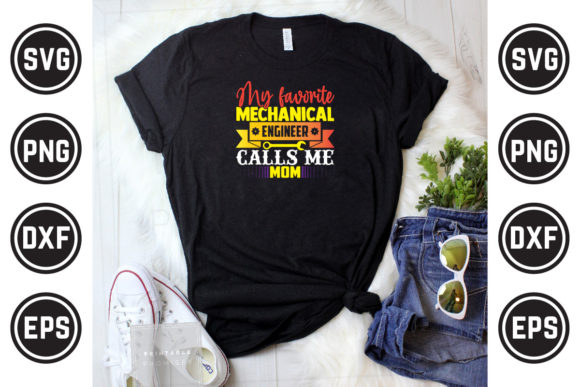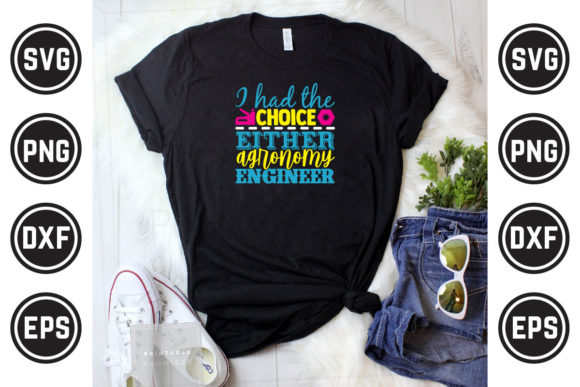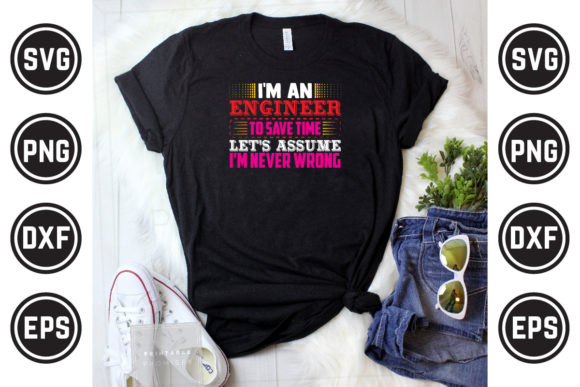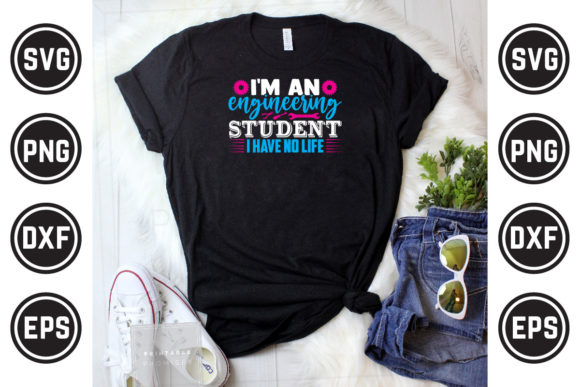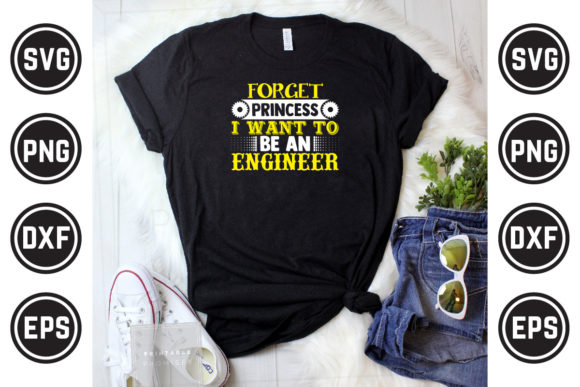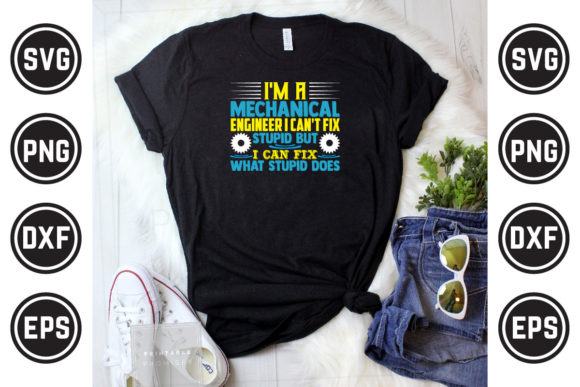
Engineer SVG T Shirt Design 09
A Designer’s First Look: Clean, Confident, and Quietly Clever
When I opened Engineer Svg T Shirt Design 09, my first thought wasn’t “Oh, another technical motif”—it was “This has presence.” The layout is balanced but not stiff; the lines are precise without feeling cold. There’s a subtle warmth in the proportions—like the kind you’d see in a well-drafted blueprint or a thoughtful schematic sketch. It reads as professional, yes—but also approachable. That matters when you’re stitching it onto a baby onesie for an engineer parent’s shower gift, or embroidering it on a canvas tote for a university engineering department’s outreach event.
Where This Design Truly Shines (and Where It Asks for Care)
I tested Engineer Svg T Shirt Design 09 across three real projects: a medium-weight cotton twill apron for a local makerspace, a lightweight organic cotton baby blanket, and a structured unstructured cap. On the apron? Excellent clarity—even at 3.5 inches wide, every gear tooth and line held definition with standard fill stitch and medium-weight stabilizer. On the baby blanket? I scaled it down to 2.75 inches and used a light tear-away stabilizer; the satin-stitched outlines stayed crisp, but I did notice the inner detail softened slightly on ultra-soft fabric. On the cap? Tricky—but doable. The design’s central mass and minimal outer complexity meant less distortion over the curve than many similarly themed graphics.
This isn’t a dense, high-stitch-count embroidery file. It breathes. That makes it ideal for custom apparel, sweatshirt embroidery, embroidered patches, and even holiday embroidery where durability and washability matter—think teacher appreciation gifts stitched onto tea towels or graduation caps. It also translates beautifully into printable mockups for Etsy sellers: clean vector lines mean sharp digital previews, and the 300 DPI resolution holds up in product thumbnails and listing banners.
Fabric & Fit: Know When to Lean In—and When to Pause
Engineer Svg T Shirt Design 09 performs best on stable, medium-to-heavy fabrics: cotton duck, denim, twill, fleece-backed sweatshirts, and structured canvas. On thin or stretchy fabric—like jersey tees or lightweight rayon blends—I recommend testing first with doubled stabilizer and reduced top tension. The design’s clean geometry doesn’t hide puckering or shifting, so hoop size and fabric prep matter more here than with looser, scribble-style graphics.
Dark fabric? No problem—its strong silhouette and generous negative space give thread colors room to pop. Light fabric? Just as effective, especially with navy, charcoal, or forest green thread. But avoid placing it near seams, darts, or curved hems without repositioning the hoop—those tight corners can compress fine lines if not hooped flat and taut.
Small Hoop Warning: Respect the Detail
The vector-resizable nature means you *can* shrink Engineer Svg T Shirt Design 09 down to 2 inches—but don’t go smaller unless your machine handles fine satin stitch reliably. Tiny lettering or narrow gear teeth below 1.75 inches may lose legibility in stitch-out, especially on textured surfaces like terry cloth or looped fleece. For baby embroidery or cap fronts, stick to 2.25–3 inches for consistent results.
What It Adds to Your Finished Product—Beyond the Stitch
This isn’t just decoration. It adds quiet authority. A customer ordering a personalized gift with Engineer Svg T Shirt Design 09 isn’t buying a logo—they’re buying recognition. They’re saying, “I see your work. I honor your craft.” That builds trust, especially for Etsy sellers and small shop owners positioning themselves as thoughtful curators—not just resellers.
In boutique branding, it supports cohesion without shouting. Pair it with minimalist typography or neutral-tone packaging, and it elevates handmade product perception instantly. And because it’s built from vector lines—not rasterized art—it scales cleanly across embroidery files, print templates, and digital design assets. That flexibility lets you reuse it across multiple product lines: a patch for a workshop kit, a heat-transfer version for youth camp shirts, and a simplified outline for a kids’ coloring page add-on.
Practical Notes Every Embroidery Designer Should Run Through
- Always test on scrap fabric first—especially if using textured, dark, or stretchy materials.
- Check thread color contrast before final hooping. What reads clearly on screen may vanish on navy fleece.
- Review stitch density in your embroidery software. While this design avoids excessive density, verify fill areas aren’t overly heavy for delicate fabrics.
- Confirm hoop size compatibility. Its balanced width works well in 4×4 and larger hoops—but double-check placement if stitching near edges or seams.
- Inspect small details at 100% zoom in your editing software. Vector scalability is great, but tiny elements need manual review before digitizing.
- Test black-and-white mockups to assess visual weight and balance—critical for print templates and digital previews.
- Compare light and dark fabric backgrounds in your mockup workflow. This design’s strength lies in its contrast control.
- Use proper stabilizer: medium cut-away for knits, light tear-away for wovens, and fusible + tear-away for lightweight linens.
- Verify licensing before selling finished items or bundling the file as part of a commercial embroidery collection. Since this is a Graphics download, confirm permitted use cases directly with the seller.
Final Thought: A Workhorse With Personality
Engineer Svg T Shirt Design 09 won’t wow with flash—but it delivers with consistency. It’s the kind of design that looks intentional on a $280 lab coat and equally sincere on a $12 kitchen towel. For craft business owners, it’s reliable inventory. For Etsy sellers, it’s a quietly premium addition to a niche collection. For embroidery designers building client-facing portfolios, it’s proof you understand context—not just color and stitch count. It belongs in your folder of trusted design assets, not as filler, but as foundation.