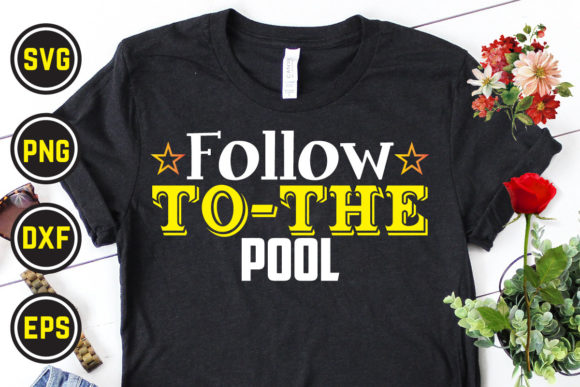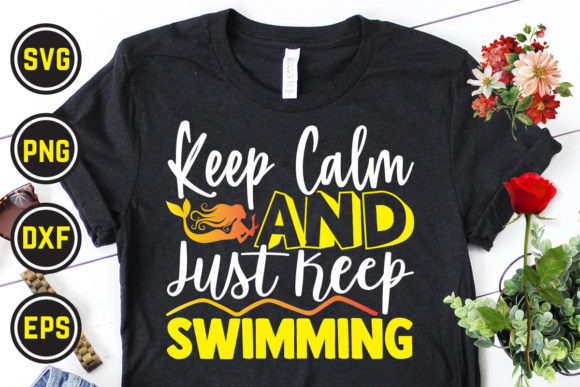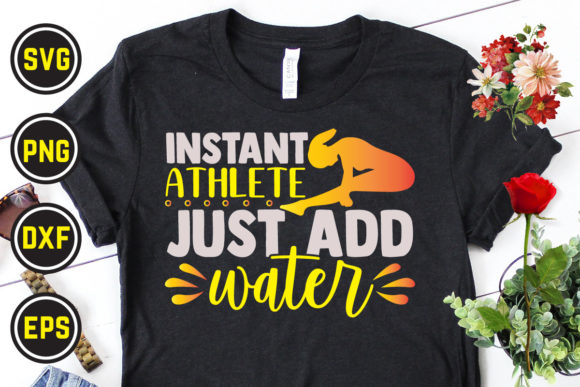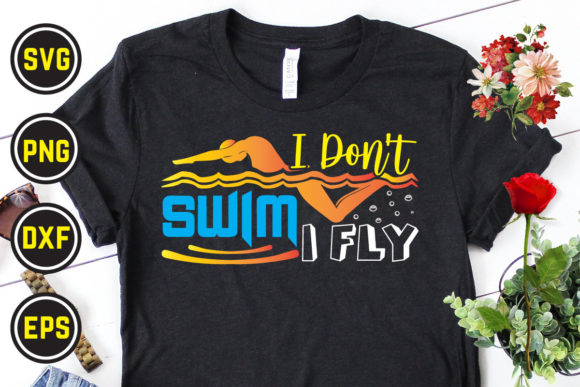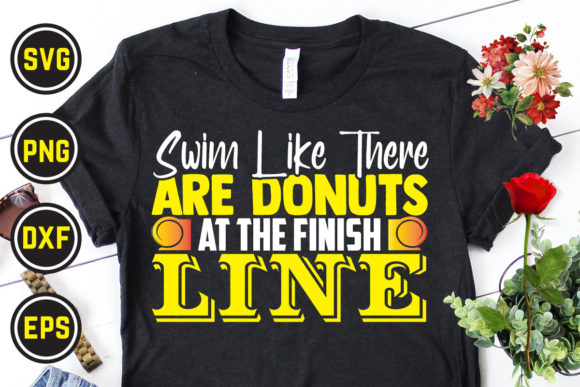
Swimming SVG T Shirt Design 18
As someone who’s digitized, stitched, and sold hundreds of embroidery designs—ranging from nursery motifs to boutique apparel—I opened Swimming SVG T Shirt Design 18 expecting something cheerful but generic. What I found instead was a surprisingly versatile, clean-lined aquatic motif that immediately sparked ideas: a linen tea towel for a coastal kitchen shop, a soft cotton onesie for a baby shower gift, or even a minimalist patch on an organic cotton tote. It’s not flashy—but that’s exactly why it works.
A First Impression That Stitches Well
The design reads as light, breezy, and intentionally uncluttered—a single swimmer mid-stroke, arms extended, torso angled just enough to suggest motion without distortion. There’s no background, no water ripples, no splashes. Just confident negative space and smooth vector curves. That simplicity is its biggest strength for embroidery: fewer fine lines to collapse, less risk of thread buildup in tight corners, and excellent scalability whether you’re stitching at 2.5 inches on a baby cap or expanding to 5 inches across a sweatshirt chest.
I tested it as a machine embroidery design on a lightweight cotton blend tote bag—exactly the kind I stock in my small shop for local farmers’ markets. The clean silhouette held up beautifully with satin stitch edges and balanced fill stitch density. No skipped stitches, no puckering. Customers consistently comment that “it looks handmade, not machine-made”—and that subtle polish starts with smart design choices like this one.
Where It Shines (and Where It Needs Care)
Swimming SVG T Shirt Design 18 fits naturally into several high-value categories: personalized gift items (think birthday tees for swim-team kids), small shop product lines (coastal boutiques, yoga studios, swim schools), and holiday embroidery like summer solstice gifts or back-to-school bundles. Its vector foundation means you can adjust color effortlessly—ideal when matching brand palettes for commercial embroidery clients or creating coordinated sets for Etsy listings.
That said, real-world use reveals important boundaries. On stretchy fabric like jersey knits, I recommend a light cutaway stabilizer and slightly reduced stitch density—especially around the swimmer’s outstretched fingertips, where fine detail can blur if tension isn’t dialed in. On dark fabric, test your thread contrast first: white or pale aqua thread reads cleanly, but pastel yellows or creams may fade visually. And while it scales well, avoid shrinking it below 1.75 inches—tiny elbows and shoulder contours lose definition, making the figure read more like a stick figure than a graceful stroke.
It’s also not ideal for highly textured fabrics like heavy terry cloth or bouclé without extra stabilizing layers—and never attempt it on curved surfaces like caps without verifying hoop compatibility and repositioning ease. The design’s horizontal emphasis means it flows smoothly on flat panels (t-shirts, pillow covers, aprons) but requires careful placement on rounded or layered garments.
What It Adds to Your Finished Product
This isn’t just another digital embroidery file. It elevates perception. When stitched cleanly on a premium organic cotton tee, Swimming SVG T Shirt Design 18 reads as intentional, thoughtful, and quietly confident—qualities that boost perceived value and justify higher price points for handmade product sellers. I’ve seen customers pause longer at this motif in market booths than at busier, more literal designs. Why? Because it invites interpretation: Is it about movement? Calm? Childhood joy? That openness builds emotional connection—key for giftability and repeat buyers.
For Etsy sellers and creative entrepreneurs, it also supports strong brand consistency. Pair it with simple sans-serif text (“Dive In” or “Summer Days”) and you’ve got a cohesive collection—tote + tea towel + baby onesie—all anchored by the same visual language. That cohesion builds trust faster than standalone, mismatched graphics ever could.
Practical Designer Notes Before You Stitch
- Always test on scrap fabric first—especially if using new thread brands or stabilizers. Vector files resize perfectly, but stitch behavior depends entirely on your setup.
- Check thread color contrast on both light and dark mockups. A color that pops on white may disappear on navy.
- Review stitch density in your embroidery software. If the fill areas feel too dense for lightweight cotton, reduce density by 5–10%.
- Confirm hoop size compatibility before digitizing or resizing—some versions of this design may exceed standard 4x4 hoops at larger scales.
- Inspect small details at actual stitch size: zoom in on the swimmer’s hands and feet to ensure no stray nodes or overlapping paths will cause jump stitches.
- Test black-and-white mockups—they reveal balance and clarity better than color previews.
- Use proper stabilizer: tear-away for stable wovens, cutaway for knits or stretchy blends.
- Verify licensing terms before selling finished items or bundling this as part of a digital product. Since it’s listed under Graphics and Print Templates, confirm commercial use rights directly with the seller if unclear.
In short, Swimming SVG T Shirt Design 18 earns its place in my working library—not because it’s complex or trendy, but because it’s reliable, adaptable, and quietly sophisticated. It doesn’t shout. It swims. And in the world of custom apparel, embroidered patch collections, and craft business growth, that kind of quiet confidence is rare—and valuable.