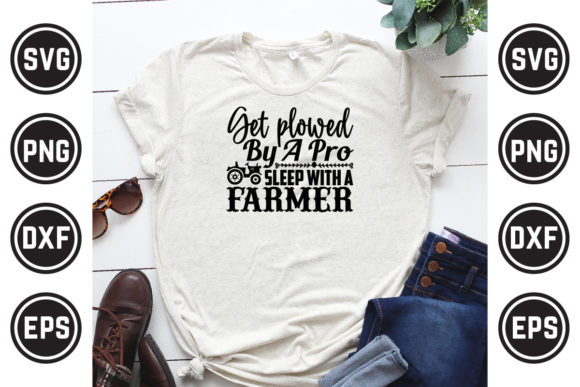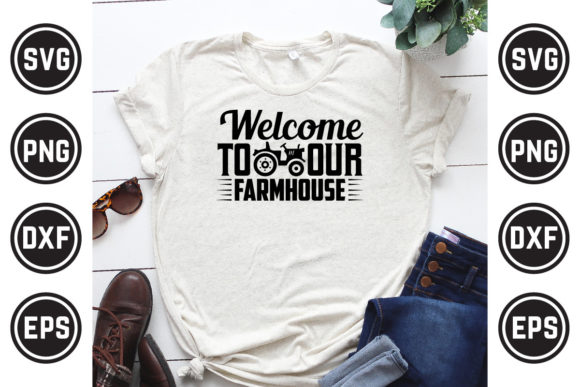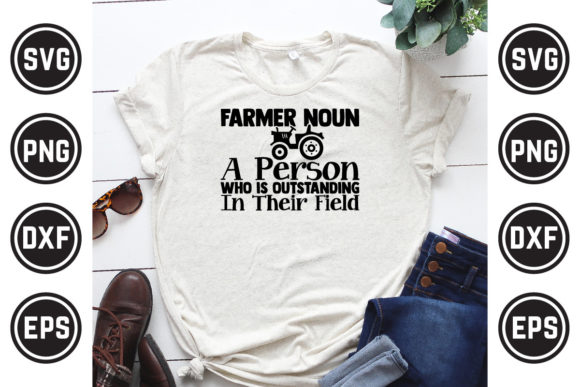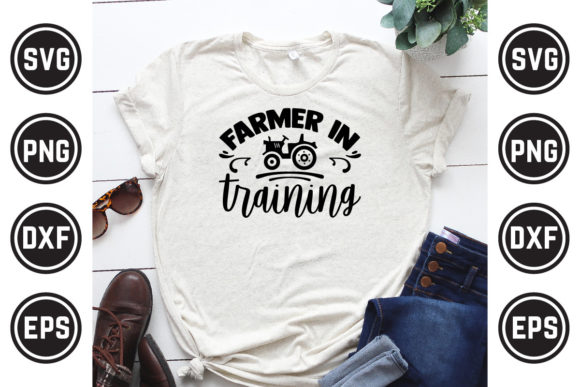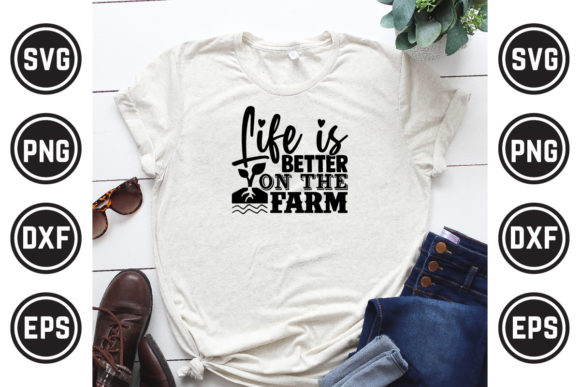
Farmer Svg T Shirt Design 07
A Real-World Look Before the Needle Drops
I pulled up Farmer Svg T Shirt Design 07 last week while prepping a small-batch order of embroidered cotton tote bags for a local farm co-op. No flashy mockups—just me, my embroidery machine, and that quiet moment before stitching begins when you really *see* a design—not as pixels, but as thread, tension, and texture. This one landed with gentle clarity: a rustic, friendly farmer motif—no overwrought details, no forced whimsy. It’s got warm, grounded energy. The silhouette is clean enough for quick digitizing, but carries just enough character in the hat brim, tool outline, and posture to feel intentional, not generic. As a machine embroidery design, it reads like a confident sketch—not too tight, not too loose—making it unusually versatile across apparel and home goods.
Where It Shines (and Where It Needs Care)
Farmer Svg T Shirt Design 07 works beautifully on medium-weight fabrics where stitch definition matters: sturdy cotton sweatshirts, canvas totes, linen tea towels, and denim aprons. I ran it on a relaxed-fit crewneck—and the balance of negative space and fill stitch gave it presence without overwhelming the garment. On baby onesies? It held up well at 3.5" wide, especially with light stabilizer and reduced top tension. For embroidered patches or iron-on applique designs, the outer contour is smooth and continuous—ideal for clean cut edges and satin-stitch borders.
That said, tread thoughtfully on stretchy knits or fine-weave fabrics like lightweight rayon or thin jersey. The design includes subtle interior line work—likely meant for running stitch accents or underlay—that can blur or pucker if hooped too tightly or stitched without proper cutaway stabilizer. On dark fabric, test contrast early: some versions of this design use thinner interior lines that vanish unless you choose high-visibility thread colors. And if you’re planning holiday embroidery on textured sweaters or quilted pillow covers, reduce stitch density manually—this isn’t a dense fill-stitch beast, but it doesn’t auto-adapt to heavy loft either.
More Than Just a Graphic—It’s a Product Signal
As an Etsy seller and craft business owner, I pay attention to what a design *says* about the finished product—not just its look, but its perceived value. Farmer Svg T Shirt Design 07 quietly signals “handmade with care.” It avoids clip-art stiffness. Customers notice that. When used on personalized gifts—say, a custom embroidered kitchen towel for a retiring agriculture teacher—the design feels considered, not mass-produced. That builds trust. It also scales well across branding: same file used on a boutique’s tote bag, a matching apron for staff, and a printable mockup for social media—all feel cohesive, not repetitive.
For commercial embroidery projects, its simplicity is a strength. Fewer tiny elements mean fewer thread breaks, less frequent bobbin changes, and smoother production flow. But don’t assume it’s “plug-and-play” for every context. A curved surface like a cap front demands repositioning and possibly slight scaling—especially if the original layout assumes flat fabric. And while it’s labeled a Graphics listing, remember: SVG files aren’t embroidery files out of the box. If you’re using this for machine embroidery, confirm whether the included files are already digitized—or if you’ll need to convert and adjust stitch types (satin, fill, running) yourself.
Practical Notes Every Embroidery Designer Should Run Through
- Test first on scrap fabric—same weight and weave as your final project, with the exact stabilizer you plan to use.
- Check thread color contrast on both light and dark backgrounds; small interior details may need bolder thread choices.
- Review stitch density—especially in tighter areas like tool handles or hat folds—to avoid fabric distortion.
- Confirm hoop size compatibility; even simple designs can exceed standard 4x4 hoops depending on scaling.
- Inspect small corners and curves—do they translate cleanly into satin stitch or will they require manual cleanup?
- Try black-and-white mockups to assess visual hierarchy before committing to color palettes.
- Use appropriate stabilizer: tear-away for stable wovens, cutaway for knits or heirloom items.
- Verify licensing terms before selling finished products or bundling the file in digital embroidery kits—this listing says “INSTAN” but doesn’t specify commercial rights.
Who’s This Really For?
This isn’t just for hobbyists stitching weekend gifts. Farmer Svg T Shirt Design 07 fits seamlessly into the workflow of small shop owners building seasonal collections—think spring farmers’ market merch, back-to-school aprons for garden clubs, or nursery decor bundles. It’s equally at home in a craft fair booth next to hand-dyed tea towels or on an Etsy listing titled “Rustic Farmhouse Embroidery Bundle.” Because it avoids trend-chasing, it won’t feel dated by next season. And for digital product sellers, it’s a strong candidate for themed design assets—paired with wheat sprigs, barn silhouettes, or vintage tractor motifs—without clashing in style or scale.
Final Thought: Design Integrity Over Speed
In a world of endless downloads and instant files, what makes Farmer Svg T Shirt Design 07 stand out isn’t novelty—it’s restraint. It respects the limits of thread, fabric, and human attention. It doesn’t shout. It invites. Whether you’re embroidering a child’s bib, a boutique’s signature tote, or a limited-run holiday gift set, this design supports your intention instead of competing with it. That’s rare. And that’s why, after years of reviewing embroidery files across Crafts and Graphics categories, I keep coming back to pieces like this—not because they’re perfect, but because they’re *practically kind*.