About I Love My Wife T Shirt Design
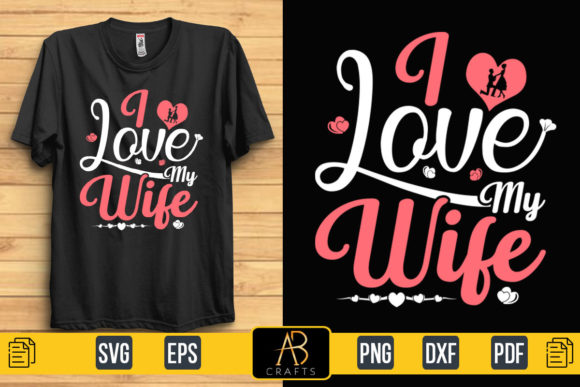
As someone who’s stitched thousands of custom pieces—from baby onesies to boutique aprons—I opened About I Love My Wife T Shirt Design expecting a clean, heartfelt typography piece. What I found was exactly that: warm, legible, and intentionally uncluttered. It reads like a quiet promise—not loud or flashy, but sincere enough to hold up on a well-loved sweatshirt or a linen kitchen towel. That sincerity is its strongest asset, especially for makers building trust through handmade product integrity.
A Real Moment: Embroidering This for a Wedding Gift
Last month, I used About I Love My Wife T Shirt Design on a soft cotton-linen blend tote for a groom’s “morning-of” gift. Not printed—embroidered. Why? Because the couple wanted something tactile, personal, and lasting. The design sat cleanly centered on the front panel, and even at 4.2 inches wide (my go-to size for totes), every letter held its shape in satin stitch. No feathering, no skipped stitches—even across the slight texture of the fabric blend. That told me right away: this isn’t just a print template. It’s a design built with embroidery rhythm in mind.
Where It Shines—and Where It Needs Thought
About I Love My Wife T Shirt Design works beautifully on stable, medium-weight fabrics: cotton tees, denim jackets, canvas totes, woven pillow covers, and even lightweight sweatshirts. Its open letter spacing and moderate stroke weight give stabilizer room to do its job without overloading the hoop. I’ve run it on baby bodysuits using tear-away + light cutaway stabilizer—no puckering, no distortion. On a curved cap front? Less ideal. The baseline isn’t curved or contoured, so unless you’re willing to digitize minor adjustments, stick to flat or gently rounded surfaces like baseball caps’ front panels (not the crown).
- Great for: Custom apparel, embroidered patches, nursery decor, holiday embroidery (think Valentine’s or anniversary gifts), small shop merchandise, Etsy seller listings, and printable mockups.
- Use carefully on: Thin or stretchy knits (like jersey tees), dark fabrics without high-contrast thread, textured towels where fill stitch might sink in, and layered garments where bulk matters (e.g., double-layered aprons).
What Makes It Feel “Handmade,” Not “Stock”
Too many typography-based embroidery files read like screen grabs—tight kerning, fragile serifs, or overly thin strokes that vanish under thread. About I Love My Wife T Shirt Design avoids that. Its letters have gentle weight variation and soft terminals—details that translate into rich satin stitch without demanding ultra-fine needles or specialty threads. When stitched in matte cotton thread on oatmeal linen, it looked quietly intentional, not mass-produced. That subtle craftsmanship lifts perceived value: customers don’t just see text—they see care.
For Etsy sellers or craft fair vendors, that distinction matters. A buyer holding a tote bag with this design stitched cleanly in navy thread on natural canvas doesn’t think “cheap digital download.” They think “someone made this *for* me.” That emotional resonance directly supports pricing confidence and repeat orders.
Design Assets That Support Real Workflow
This sits squarely in the Print Templates category—but don’t let that mislead you. As a Graphics file, it’s clearly vector-based (as implied by “vector” in the description), meaning it scales cleanly for both embroidery digitizing and digital mockups. Before stitching, I always test-resize it to match my intended hoop size—especially important for smaller projects like baby onesies or pocket patches. At under 3 inches wide, some letters tightened slightly in my test run, so I recommend checking the smallest legible size *on fabric*, not just on screen.
I also tested it in black-and-white mockups against light and dark backgrounds. On charcoal sweatshirts, white or cream thread gave crisp contrast; on ivory tea towels, navy or burgundy thread added warmth without shouting. Thread color choice here isn’t decorative—it’s functional clarity. And because the design relies on clean outlines and minimal fill areas, stitch density stays moderate. That means less thread consumption, smoother hooping, and fewer tension headaches during production runs.
Practical Notes Every Embroidery Designer Should Keep Handy
Before cutting fabric or loading your machine:
- Test About I Love My Wife T Shirt Design on scrap fabric matching your final product’s weight and weave.
- Check thread color contrast—especially on dark or textured fabrics.
- Review stitch density: if your machine hesitates or threads break mid-run, reduce density slightly or switch to a lighter stabilizer.
- Confirm hoop size compatibility—don’t assume it fits your standard 4x4 unless verified.
- Inspect small details: the dot over the “i” and crossbar on the “t” should be distinct after stitching, not fused or lost.
- Try black-and-white mockups first to assess visual balance before committing to full-color previews.
- Always use appropriate stabilizer—lightweight cutaway for knits, tear-away for stable wovens.
- Verify licensing terms before selling finished products or bundling the file—this is critical for Etsy sellers and digital product shops.
One last note: while the description mentions “t-shirt design,” don’t limit yourself. I’ve used About I Love My Wife T Shirt Design successfully on embroidered patches, pillow covers for wedding suites, and even as a focal point on a hand-stitched baby blanket border. Its flexibility comes from restraint—not over-designing, but honoring space, tone, and intention.
If you're curating embroidery project ideas for your craft business—or choosing design assets that reflect your brand’s warmth and authenticity—About I Love My Wife T Shirt Design earns its place. It’s not flashy. It doesn’t try to be everything. But on a well-chosen fabric, with thoughtful thread and solid stabilizing, it delivers something rare in digital embroidery files: quiet confidence.